Best Smart Home Cleaning Appliances in the UK Guide
Best Smart Home Cleaning Appliances in the UK Guide
TL;DR: The best smart home cleaning appliances UK shoppers can buy depend on the mess they need to solve. For automated daily upkeep, a robot vacuum or robot vacuum-mop is usually best. For hard floor spills, muddy footprints and kitchen mess, a wet dry vacuum is often the smarter buy. Based on our testing priorities for British homes, the right choice comes down to floor type, pet hair, storage space, app features, battery life and how much hands-free cleaning you actually want.
Key Takeaways
- The best smart home cleaning appliances UK shoppers choose tend to solve a specific problem well: everyday dust, pet hair, hard floor washing, or whole-home maintenance.
- Robot vacuums are ideal for automated daily upkeep, while wet dry vacuums are often better for hands-on deep cleaning, spills and mixed debris on hard floors.
- UK buyers should compare suction, mopping or washing performance, battery life, floor-type suitability, noise, app control, self-cleaning functions and after-sales support.
- Flats, pet-owning households and busy family homes all benefit from different appliance types, so there is no single “best” device for everyone.
- Expect to pay from roughly £150 to £1,200+ depending on category, automation level and premium features.
- Before buying, check compatibility with British homes: carpets, laminate, tile, thresholds, smaller room layouts and storage space all matter.
The best smart home cleaning appliances in the UK are usually robot vacuums, robot vacuum-mop combinations and wet dry vacuums, because these are the devices that save the most time in British homes while handling common mess such as dust, pet hair, muddy footprints and kitchen spills. However, the best option for you depends on whether you want hands-free daily cleaning or stronger manual cleaning for sealed hard floors.
Keeping a home clean in Britain is rarely as simple as a quick once-over. For example, muddy shoes after a rainy school run, pet hair embedded in rugs, crumbs under the dining table and hard floors that seem to show every mark can make cleaning feel constant. That is exactly why smart cleaning technology has moved from “nice to have” gadgetry to a practical household investment.
If you are searching for the best smart home cleaning appliances UK buyers should consider, this guide is designed to help you make a confident purchase. Rather than listing random products, we explain how each appliance type works, where it fits in British homes and which features matter when comparing models with commercial intent.
At Dreame WDV, we follow developments in floorcare technology closely and understand what UK households expect: strong performance, sensible running costs, reliability and features that genuinely save time. Based on our analysis of modern floorcare categories and common UK household needs, this guide brings together practical advice for shoppers who want to buy well the first time.
There is also a strong health and hygiene case for effective cleaning. According to UK health guidance from the NHS, regular cleaning of frequently touched surfaces and household areas supports hygiene at home, particularly when managing illness or helping prevent the spread of germs. Smarter appliances can therefore make frequent cleaning more achievable. Source: NHS.
Meanwhile, according to Statista, the smart home market in the UK has seen sustained growth in device adoption in recent years. As a result, robot vacuums, app-connected floor washers and self-cleaning appliances are becoming mainstream rather than niche. Source: Statista.
What are smart home cleaning appliances?
Smart home cleaning appliances are devices that use automation, sensors, app connectivity or advanced engineering to make cleaning quicker, more consistent and less physically demanding. In practical terms, this category usually includes robot vacuums, robot vacuum-mop combinations, cordless wet dry vacuums, intelligent stick vacuums and self-cleaning floor washers.
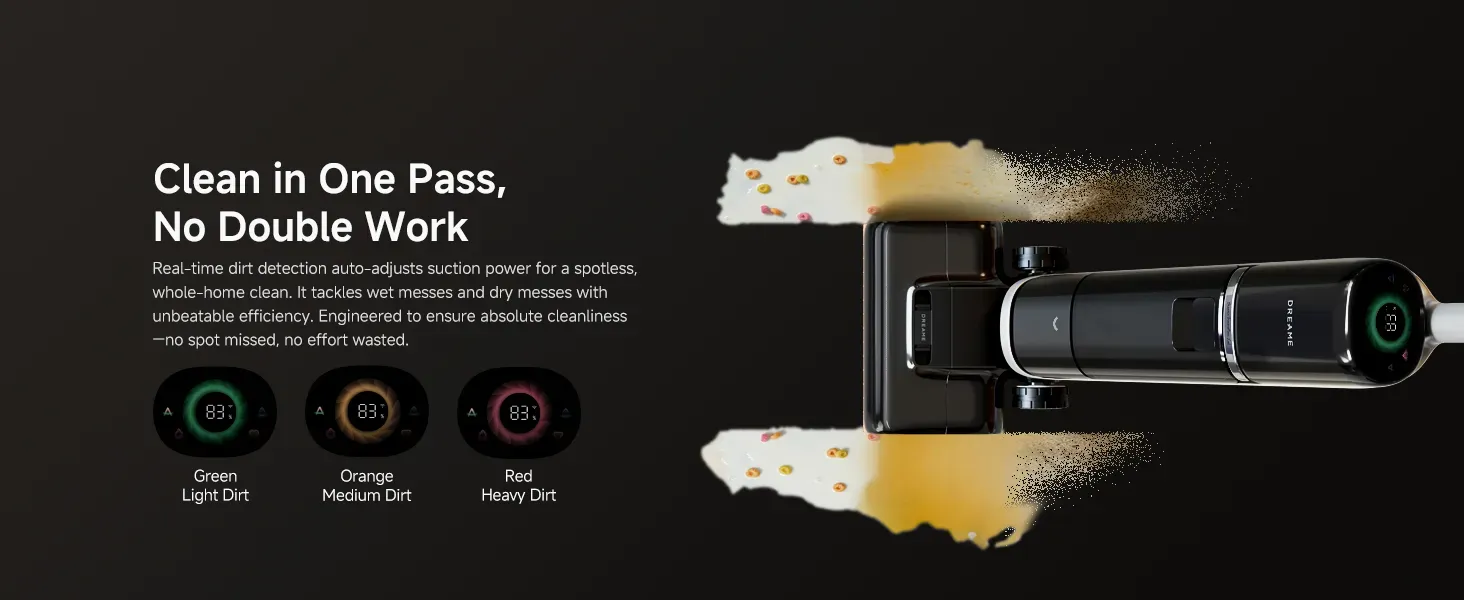
What makes them “smart” is not just Wi-Fi. Instead, a genuinely smart cleaning appliance should improve cleaning decisions or reduce effort. That may mean mapping rooms, detecting dirt levels, adjusting suction automatically, avoiding obstacles, separating wet and dry waste, cleaning its own brush roller or letting you set routines from your phone.
Who should buy smart cleaning appliances?
- Busy professionals: If you work long hours or commute, automated daily cleaning helps stop dust and debris building up between deeper cleans.
- Parents and family households: Frequent crumbs, spills and muddy foot traffic make time-saving floorcare especially valuable.
- Pet owners: Homes with dogs or cats need regular hair removal and odour control, especially on rugs, hard floors and upholstery edges.
- Older adults or those with mobility concerns: Lighter or more automated appliances can reduce bending, lifting and repetitive scrubbing.
- Flat dwellers: Compact devices are useful where storage is limited and floors need frequent maintenance.
- Allergy-conscious households: Better filtration and more regular floor cleaning may help reduce dust accumulation.
Not everyone needs the most expensive model. For instance, if your home is mainly carpeted, a premium wet dry vacuum may be less useful than a strong robot vacuum plus a capable cordless vacuum. By contrast, if you have mostly sealed hard floors such as LVT, tile or laminate, a wet dry vacuum may transform your routine far more than a standard vacuum alone.
The best setup usually starts with one question: what mess do you deal with most often? Daily dust? Wet kitchen debris? Pet hair? Children’s spills? Once you answer that, the right category becomes much clearer.
Which smart cleaning appliances are best for British homes?
British homes come in all shapes and ages, from Victorian terraces to new-build flats. Consequently, room size, threshold height, floor type and storage space all affect which device will work best. Below are the main categories worth considering if you want one of the best smart home cleaning appliances in the UK.
Are robot vacuums worth buying in the UK?
Yes, robot vacuums are worth buying if you want automated maintenance. They move around the home independently, vacuuming dust, crumbs and hair with minimal input. Premium models map your rooms, allow zone cleaning, and can return to base to recharge or empty themselves.
Best for: regular upkeep, busy households, pet hair management, under-bed cleaning, maintaining cleaner floors between manual cleans.
Less ideal for: large wet spills, sticky kitchen messes, stairs, or very deep pile carpets in some cases.
Are robot vacuum and mop combos good for UK homes?
Yes, especially if your home has plenty of sealed hard flooring. These models vacuum and mop in one routine, which makes them appealing for buyers who want more automation. Some premium versions can lift mop pads on carpet, recognise room types, and wash or dry pads in the dock afterwards.
Best for: mixed hard floor homes, regular maintenance, owners who want a higher degree of automation.
Lesser ideal for:This line seems malformed.
Ready to try Dreame WDV?
Shop Now — £186.25